Scavenger Hunt Riddles for Kids: How to Write Clues That Actually Work
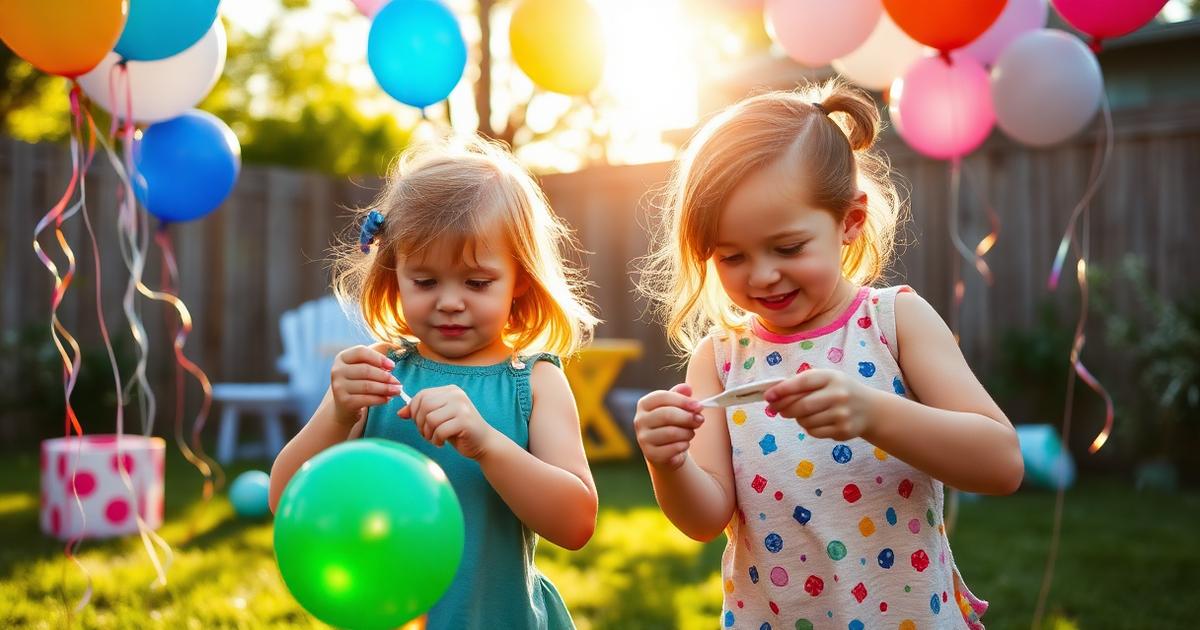
A good riddle turns an ordinary hiding spot into a puzzle. But badly written riddles either go over kids' heads or are too easy to feel like a puzzle. Here's the formula we use, plus 20 examples. For everyday riddles with answers (not tied to a hiding spot), see our riddles for kids by age.
The 3-step riddle formula
- Pick the hiding spot. Bookshelf. Pillow. Dog bowl.
- List 3 sensory facts about it. The bookshelf is tall, quiet, holds stories.
- Write a one-line riddle that uses 1–2 of those facts — never all three (too easy).
Example: "I stand tall and quiet and I'm full of stories." That's the bookshelf. Two facts, one line. "Tall" and "full of stories" give them two details to match to the room.
Riddles for ages 4–6
- Bed: "Soft and big, where dreams begin."
- Teddy bear: "I'm soft and brown and I love a hug."
- Shoes: "Two of me wait by the door."
- Lamp: "Click me on and the room glows."
- Cereal box: "I live in the cupboard. Pour me in a bowl."
- Toy box: "All your toys sleep inside me at night."
Riddles for ages 6–9
- Backpack: "Carry me around without dropping me down."
- Bookshelf: "I stand tall and quiet and I'm full of stories."
- Couch: "Three people can sit on me. Sometimes coins hide between my cushions."
- Laundry basket: "Dirty socks wait in me for wash day."
- Pillow: "I hold your head all night and never get tired."
- Kitchen table: "Yum yum — your food is ready here!"
- Sock drawer: "I keep pairs together so they never get lost."
Riddles for ages 9–12 (real wordplay)
- Clock: "I have hands but cannot clap, a face but cannot smile."
- Rug: "Everyone walks all over me, and I never complain."
- Book on a low shelf: "I have a spine but no bones."
- Mirror: "I show you yourself but I'm not a photo."
- Keys: "I open many things but I can't see."
- Towel: "I get wet but never drink. I dry you off after a swim."
- Piano: "I have keys but no locks, and I sing when you press me."
Riddle pitfalls (and how to avoid them)
- Too cryptic. If you'd struggle to solve it, the kid will give up. Name the room as a hint before rewriting the whole clue.
- Too literal. "Look in the toy box" isn't a riddle. Add at least one indirect clue.
- Multi-step riddles. Save these for older kids only. Younger kids quit halfway through.
- Pop culture references. Avoid unless you're 100% sure the kid knows them. "Hide where the cartoon puppy naps" works only if they know the show.
The lazy way: skip the riddles entirely
If you don't want to write riddles at all, our free scavenger hunt generator skips riddles altogether: it builds a printable find-it list with kid-friendly icons for any location you type — nothing to write, nothing to hide. No signup.
A riddle-trail scavenger hunt that ends at a real prize is also known as a treasure hunt. For the full version with themed adventure stories and Squad Mode for mixed-age siblings, try our HideQuest Treasure Hunt — Try 2 full hunts free. No signup. Enter your email to unlock a 3rd.
Try HideQuest Free
Printable treasure hunts written for the hiding spots in your own home, with math at each child's level. Try 2 full hunts free. No signup. Enter your email to unlock a 3rd.
Get 2 free hunts