Indoor Scavenger Hunt Ideas: 12 Hunts You Can Run Without Leaving the House
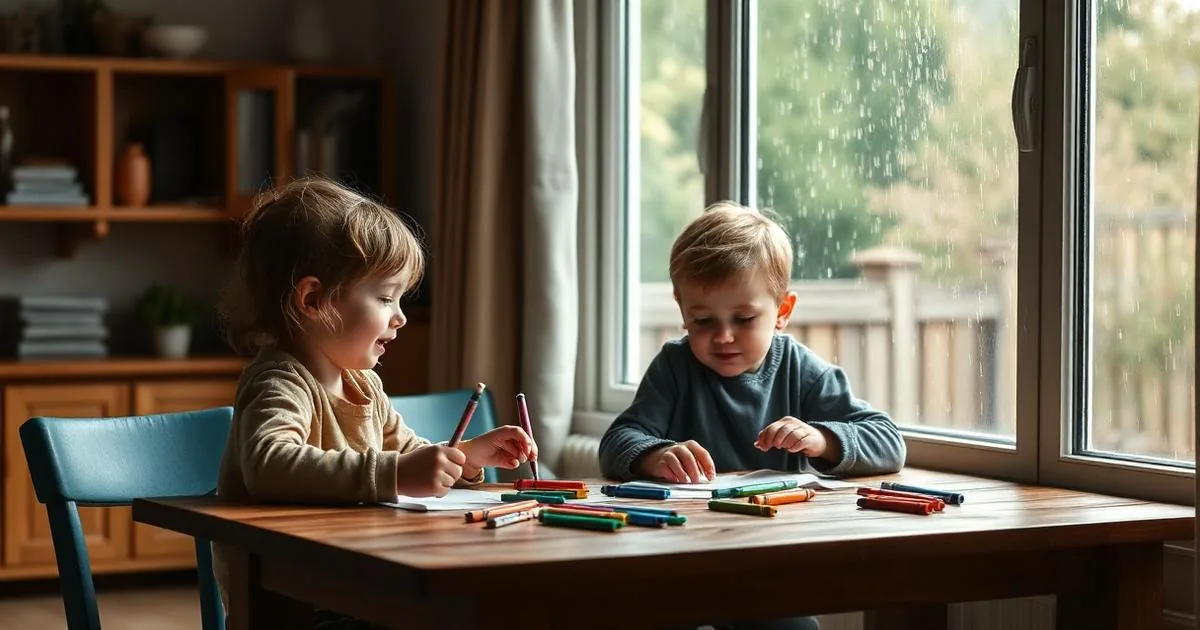
It's pouring. Or sleeting. Or one kid is sick and the others are climbing the walls. Indoor scavenger hunts give kids things to find around the house. Here are 12 to keep in your back pocket.
1. Whole-house hunt
10 common objects, anywhere in the house. Classic for a reason.
2. Single-room challenge
Restrict the hunt to the living room or bedroom. Way harder than it sounds.
3. Bathroom hunt
5–8 bathroom-only objects (toothbrush, soap, towel with stripes, a mirror, something blue). Stay in the doorway and have them point to each find.
4. Kitchen hunt
Wooden spoon, a fork with 4 prongs, a can with a vegetable on the label, something round, something cold. Bonus: snack at the end.
5. Sticky-note trail
5 sticky notes leading from one room to the next, ending at a treat. Write one clue per note and hide them in order.
6. Color rainbow hunt
One object for each color of the rainbow. Let the first complete rainbow win, or ask siblings to split the colors and make one set.
7. Texture hunt
Soft, hard, bumpy, smooth, fuzzy, cold, warm. Great for sensory-seeking kids.
8. Sound hunt
Find 5 things that make different sounds. Kids return to demonstrate each one — chaotic and fun.
9. Photo-clue hunt
Take 8 close-up photos of things in your house. Show each one — kid runs to find the actual object.
10. Math hunt ("Sneaky Math")
Mix scavenger items with math problems — solving each problem unlocks the next clue. Built into our printable generator.
11. Toddler picture hunt
Pre-readers can't read a list, so use icons. Our toddler scavenger hunt generator prints a picture-based version that 2.5–5-year-olds can do mostly independently.
12. Riddle trail (clue → clue → clue → prize)
Each clue is a riddle pointing to the next hiding spot. Last clue leads to a snack, screen time, or a small toy. Write a riddle for each spot before hiding the clues. (Our free indoor scavenger hunt generator makes find-it checklists, not riddle trails.)
Tips that make indoor hunts actually work
- Pre-walk the route. Verify each clue lands somewhere the kid can actually reach.
- Keep prizes tiny. A sticker, a square of chocolate, choosing the next show. Don't escalate.
- Cap it at 8–10 items. Cover rows for toddlers or add finds for older kids who want more to look for.
- Have a sibling format ready — same hunt, but each kid gets their own cards in a different color so there's no fighting.
Try HideQuest Free
Printable treasure hunts written for the hiding spots in your own home, with math at each child's level. Try 2 full hunts free. No signup. Enter your email to unlock a 3rd.
Get 2 free hunts